

Key takeaways
- Amazon says the Bee Frontier ($74.99) and Bee Eclipse ($99.99) process audio in real time, delete it, and store only transcripts encrypted with keys the user's device controls.
- Unlike Echo speakers, which listen after a wake word, Bee devices record continuously while turned on, according to CNBC.
- Every privacy claim so far comes from Amazon and Bee. No independent testing has been reported.
- The reporting says little about how Plaud, Pocket or Meta handle privacy, so a true side-by-side isn't possible yet.
Amazon-owned Bee launched two new AI listening devices on Thursday, October 15, 2026: the $74.99 Bee Frontier wearable and the $99.99 Bee Eclipse, a recorder that sticks to the back of a phone. Both turn conversations into transcripts, summaries and to-dos. Both are built to be on, and listening, most of the day.
That makes privacy the real question here, more than battery life or color. Amazon has made specific promises about it. Nobody outside the company has checked them yet.
What does Amazon say Bee does with your audio?
Amazon says raw audio isn’t stored. It’s processed in real time and deleted. According to TechCrunch and CNBC, what stays is a transcript, encrypted with keys the user’s own device creates and controls.
By Amazon’s account, that means no one else can read your transcripts unless you share them. You can delete transcripts and summaries whenever you like. Amazon also says the app reminds you to ask call participants for their okay whenever a recording begins, per Engadget.
All of that is the company’s description of its own design. It’s a good design on paper, and paper is where it sits for now.
Bee records continuously; Echo waits for a wake word
CNBC points out the key difference from Amazon’s own speakers. Echo devices listen for a wake word and act after hearing it. Bee devices record continuously while they’re switched on. You decide when to turn them on, but once they’re on, there’s no trigger phrase gating anything.
Bee also offers an optional link to Alexa. If you connect them, Echo devices use Voice ID to recognize your voice and record conversations for Bee. So a speaker that normally waits for its name could become another input for your Bee summaries. Whether that adds privacy risk is an open question, and Amazon hasn’t addressed it in the coverage so far.
How do Meta glasses, Plaud and Pocket compare?
On privacy design specifically, the public record is thin. The reporting gives prices and categories for the rivals, and a general privacy warning for one of them. The list below covers what is public:
- Echo: listens for a wake word; Bee does not wait for one.
- Meta smart glasses: CNBC says they’ve drawn privacy and civil rights concerns. Specifics weren’t detailed. Our Ray-Ban Meta comparison covers the hardware side.
- Plaud: a card-shaped note taker. TechCrunch lists the Plaud Note at $159 and the Plaud Note Pro at $189. Its data handling isn’t covered.
- Pocket: listed at $129. Its data handling isn’t covered either.
CNBC also names the Friend necklace and Meta’s Muse Charm pendant as competing wearables. Engadget adds Comu, Innaio, Ruune and Raycon to the list of phone-attached AI note takers. Not one of those products has a privacy comparison in the reporting.
So the honest takeaway is narrow. Bee has published a specific set of privacy promises, which lets you hold it to them. For most rivals, you’d have to read their policies yourself before judging.
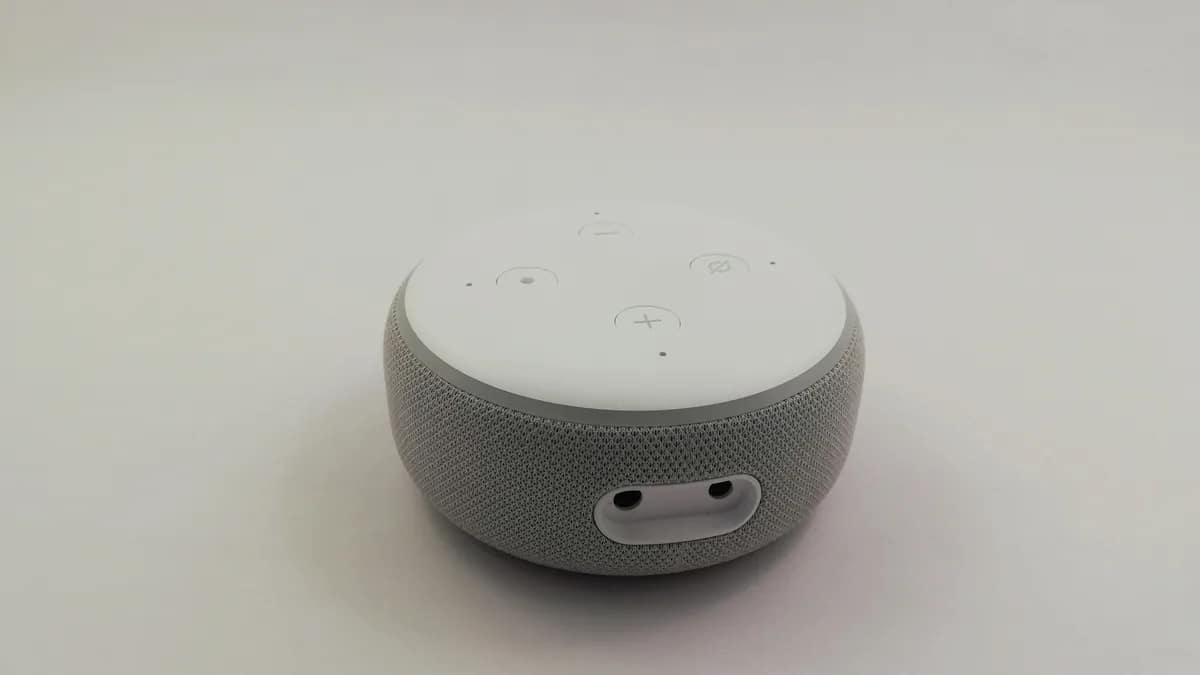
Every Bee device has a single power button, plus an indicator light that shows when it’s summarizing a conversation. That light is the main way people near you would know something is happening.
Engadget describes the button a bit differently. In its hands-on, one press starts a recording session, while press-and-hold lets you ask the AI a question or leave a voice note. TechCrunch and CNBC describe it only as on and off. Until more people test one, treat the exact behavior as unsettled.
Engadget’s author also raised a concern that the Eclipse looks like a power bank, so someone might not realize the LED means it’s recording. That’s an opinion, not a finding. But it’s a fair question for a device that’s thicker than a credit card, has three microphones (per Engadget), and sits on the back of a phone you set on a table.
What this means if you’re thinking of buying one
The Frontier is on Amazon now. It’s the successor to the $50 Pioneer, which Engadget says is no longer sold. It’s rated IP67, charges over USB-C, and Bee says it runs up to 7 days on a battery. You can wear it on your wrist or clip it on. If you want the one with a long battery, the Eclipse is promised to last more than 21 days, according to Engadget, but it has only been described as “available soon.”
The device is cheap. The subscription is where the cost accumulates. Bee Pro is $11.99 a month and adds unlimited summaries, suggested to-dos, daily memories, a chat assistant and hooks into Amazon.com, Alexa+ and outside apps. TechCrunch reports that devices without Pro keep a 14-day free memory window. Engadget says new customers get 30 days of Pro free.
Early Bee customers get a break. Founder Maria Zollo told Engadget their “entire featureset is free forever.”
On privacy, my advice is practical. If a recorder will be on around coworkers, friends or clients, tell them. Amazon says Bee prompts you to get call participants’ permission, but how recording-consent laws apply to always-on devices is still an open question. A prompt on your phone doesn’t help the person sitting across from you at lunch.
If you want a known quantity for meetings, the Plaud Note ($159) and Pocket ($129) are the nearest alternatives with published prices. The Bee Frontier is the cheaper way to try the always-on approach. Amazon’s launch landed in the same season as its Alexa Tablets and Apple’s HomeView hub, which we broke down in our HomeView cost piece. The AI hardware pile-up is real, and each of these gadgets is another thing listening in your home.
What nobody has verified yet
The big one: Amazon and Bee say no audio is stored and that no one else can access encrypted transcripts. Independent researchers haven’t reported testing either claim. Until they do, those are promises.
Other gaps:
- When the Eclipse ships. No date has been given.
- Whether the Voice ID link with Echo devices adds privacy risk.
- How well the Frontier’s dual microphones filter noise in real life. Engadget says that needs in-depth testing, and the battery figures are Bee’s own.
- What Amazon paid for Bee in July 2025. The price wasn’t disclosed.
- The full list of new integrations. Engadget’s text was cut off before it ended.
- How useful the 14-day free memory window is compared with paying for Pro.
I’d wait for independent teardowns or security testing before treating any of this as settled. If you buy one now, you’re trusting Amazon’s description of how it works.
Tools & products mentioned
- Bee Frontier on Amazon — Check current price
- Bee Eclipse on Amazon — Check current price
- Plaud Note on Amazon — Check current price
Disclosure: some links in this article are affiliate links or our editor's own courses and book. If you buy through them, TechyCluster or its editor may earn money at no extra cost to you. This does not influence what we cover or how we cover it. As an Amazon Associate, TechyCluster earns from qualifying purchases.
Frequently asked questions
Does the Amazon Bee record audio all the time?
Bee devices record continuously while they're turned on, according to CNBC. That differs from Echo speakers, which listen only after a wake word. Amazon says the raw audio isn't stored and is deleted after real-time processing.
How much does the Amazon Bee Frontier cost?
The Bee Frontier costs $74.99 and is on sale now on Amazon. The Bee Eclipse is $99.99 and described only as available soon. The optional Bee Pro subscription is $11.99 per month.
Can Amazon or anyone else read my Bee transcripts?
Amazon says transcripts are encrypted with keys your device creates and controls, so no one else can access them unless you share them. That claim comes from Amazon and hasn't been independently verified.
How does Bee's price compare with Plaud and Pocket?
TechCrunch lists the Plaud Note at $159, the Plaud Note Pro at $189 and Pocket at $129. The Frontier at $74.99 and Eclipse at $99.99 both cost less than all three, before any Pro subscription.
Get the next one in your inbox. One email a day with the tech stories that matter, explained in plain English. Subscribe free.
Sources
This article was compiled from reporting by the following outlets. Links go to the original reports.