

Key takeaways
- Tim Sweeney publicly confirmed a pivot to 'maximum AI acceleration' and said every Unreal team will share in the gains, but he gave no features or dates in the reported posts.
- Bloomberg reported, via unnamed people and internal messages, that Epic delayed its Marvel and Star Wars shooter, originally due March 2027, and told staff to go AI first.
- Epic's public statements confirm the AI pivot but, in the coverage so far, do not explicitly confirm the delay or the no-more-hand-written-code directive.
- Unreal developers have no reason to change their pipelines yet, but this is a good moment to write down your own AI policy and tighten your backups.
Bloomberg reported that Epic Games delayed its unannounced Disney shooter and told developers on it to work AI first. Epic CEO Tim Sweeney then posted on X that the company has a big pivot underway. If you build on Unreal Engine, the line that matters most is his promise that the benefits will reach every team using it. What that looks like in practice hasn’t been said.
What Sweeney actually told Unreal teams
Sweeney said Epic is reassigning developers and retooling for “maximum AI acceleration,” and that Unreal teams everywhere should share in the gains. He gave no features, timeline or product names in the posts as reported. He also said the aim isn’t to cut headcount.
On the obvious worry, job cuts, he wrote that the point is not to get the same output from a smaller staff. He wants everyone at Epic to produce more and better work. Epic communications director Jake Jones added that the company is embracing AI-accelerated development led by Epic’s own developers.
What Bloomberg reported about the Disney game
According to Bloomberg, the shooter, based on Marvel and Star Wars properties, was set for a March 2027 release and has been delayed with no new date. Bloomberg’s account rests on unnamed people familiar with the project and internal employee messages, so treat the details below as reported, not confirmed.
Bloomberg says developers were told there will be “no more hand-written code” and that art would come from fully AI-driven workflows. Humans would manage and guide what AI models such as Anthropic’s Claude produce, per the internal messages Bloomberg viewed. Bloomberg also reported that the project was understaffed and behind schedule before the shift, and Tom’s Hardware reads the AI push as an attempt to recover lost time.
Epic’s public statements, in the coverage so far, confirm the AI pivot. They don’t explicitly confirm the delay or the specific directive. That gap matters when you’re deciding how much weight to give any of this.
Does the AI-first push reach Unreal Engine itself?
Not confirmed. Bloomberg’s reporting concerns the Disney project. Sweeney’s comments are broader, covering a company-wide pivot and gains flowing to Unreal teams. Whether the mandate touches the engine, Fortnite or only the licensed game is an open question.
The distinction is worth holding onto. A team told to build one game with AI workflows is running an experiment under pressure. An engine team told to ship AI features is a different thing, with different consequences for your project.
What AI tooling in Unreal could look like
Nothing here is confirmed. Epic hasn’t announced a single Unreal feature tied to this pivot, so any picture of AI tooling in the engine is guesswork. Based on how Sweeney talks about AI, the likeliest candidates are small helpers for bug-spotting and rigging rather than anything that writes whole games.
Tom’s Hardware reports he has described AI as a tool for boring, repetitive jobs, such as finding code errors or rigging 3D models. If the engine benefits from the pivot, those are the places I’d expect to see it first: help with spotting bugs, speeding up rigging, trimming grunt work in asset prep. Those are modest, easy to bolt onto an existing workflow, and hard to object to.
There’s a second possibility. Epic may be building internal pipelines for the Disney game, where AI models draft code and art and humans review it. If those pipelines work, Epic could package pieces of them for outside teams. If they don’t, they may stay in-house and nobody outside will ever see them.
Either way, a studio that uses these tools would want a clear record of what was generated and what was written by hand. How Epic handles copyright, licensing and quality control for AI-generated art in licensed franchises hasn’t been addressed.
What to do with your own project now
Don’t rebuild anything on the strength of one report. No Unreal feature has changed, and nothing from Epic tells you to alter your pipeline. A few low-cost moves still make sense: write an AI policy, keep clean version history, watch costs, and compare models before you commit.
- Write down your AI policy. Decide what your team will and won’t let models generate, and who reviews it. Players are split on the topic: Tom’s Hardware notes many developers and creators oppose AI in games, and that a major UK gaming convention banned games built mostly with AI.
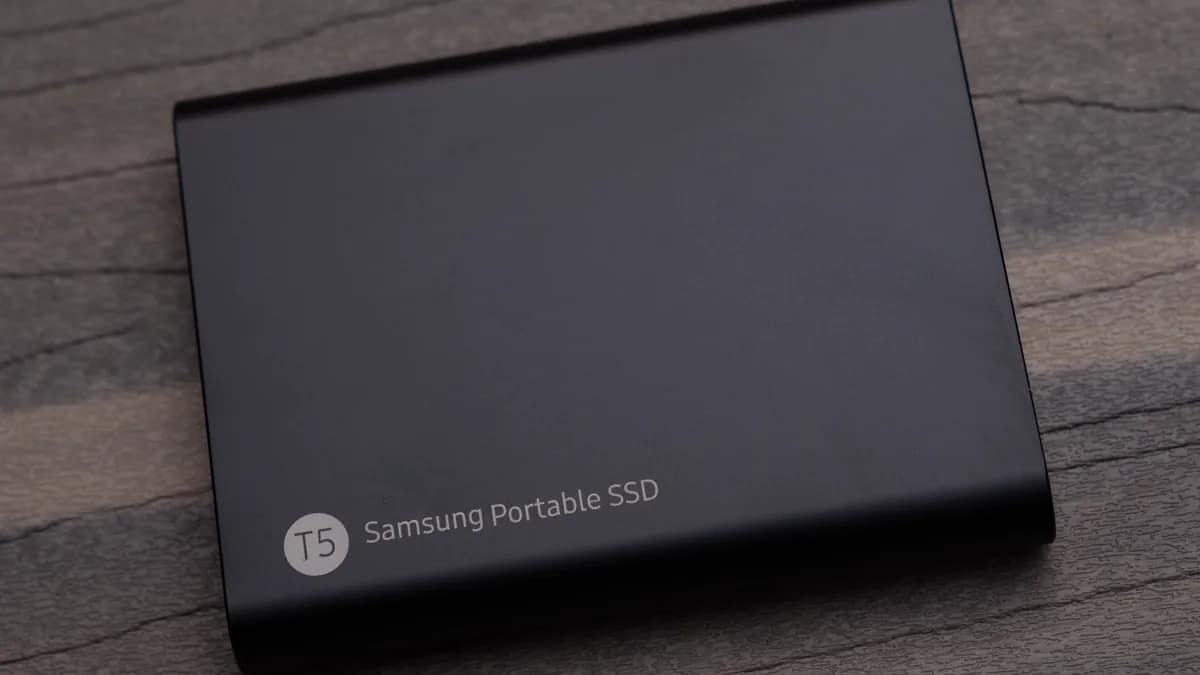
- Keep clean version history. If you try AI-generated code or art, you’ll want to roll back quickly. An external drive such as the Samsung T7 Portable SSD is a cheap place for an extra project backup alongside your normal version control.
- Watch costs. Tom’s Hardware cites a free game demo built with Gemini that ran up a $1,000-per-day AI usage bill. That example has nothing to do with Epic, but it shows these tools aren’t free at scale.
- Compare models before you commit. Our scorecard of Meta Muse Wonder, Opus, Astra and Gemini 4 is a starting point if you’re weighing options.
If your studio is also letting AI agents touch email or accounts, our piece on Gemini agent identities and the questions IT should ask covers the admin side.
Platform rules are another thing to watch. Tom’s Hardware reports Sweeney has criticized Steam for labeling games that use AI, calling the practice irresponsible on Valve’s part; the date of that remark isn’t given. If AI tooling becomes standard in Unreal, how stores label AI-assisted games becomes your problem too.
What nobody has answered yet
The list of unknowns is longer than the list of facts. For Unreal developers, the biggest gap is whether the pivot reaches the engine at all, followed by what Sweeney’s promise means for features, pricing and timing. The rest are below.
- Whether the AI-first mandate is limited to the Disney project or applies across Epic, including Fortnite and Unreal Engine.
- What Sweeney’s promise to Unreal teams means for engine features, pricing or timing.
- Which AI tools and models Epic will use, and whether they’ll be internal, third-party or both.
- What reassigning developers means in practice, since Sweeney says the goal isn’t fewer people.
- Whether Epic itself has confirmed the delay, and what the new release window is.
- Whether Disney has approved or commented on AI-generated code and art for Marvel and Star Wars properties.
Even the Disney money is described two ways. Tom’s Hardware calls the $1.5 billion figure an investment in Epic in 2024, while Ars Technica calls it a collaboration announced in early 2024. The structure of the deal isn’t something to assert yet.
Until Epic puts out an Unreal announcement, treat the pivot as a signal of direction. Sweeney has told you something is coming. He hasn’t told you what.
Tools & products mentioned
- Samsung T7 Portable SSD on Amazon — Check current price
Disclosure: some links in this article are affiliate links or our editor's own courses and book. If you buy through them, TechyCluster or its editor may earn money at no extra cost to you. This does not influence what we cover or how we cover it. As an Amazon Associate, TechyCluster earns from qualifying purchases.
Frequently asked questions
Is Epic Games switching to AI-generated code?
Bloomberg reports that developers on the Disney project were told there will be no more hand-written code. Epic has publicly confirmed a company-wide AI pivot, but in the coverage so far hasn't explicitly confirmed that directive.
Will Unreal Engine get AI features?
Not announced. Tim Sweeney said the pivot's gains will extend to every Unreal team, but no specific features, dates or pricing have been reported.
When was Epic's Marvel and Star Wars game supposed to release?
March 2027, according to Bloomberg. The game has reportedly been delayed with no new date given.
Will Epic lay off developers because of the AI shift?
Sweeney says the goal isn't to get the same output from fewer staff. What reassigning developers means in practice hasn't been explained, and no layoffs have been reported.
Get the next one in your inbox. One email a day with the tech stories that matter, explained in plain English. Subscribe free.
Sources
This article was compiled from reporting by the following outlets. Links go to the original reports.
- Neowin: Epic Games staff reportedly stunned as company pivots to all-AI code and art
- Tom's Hardware: Epic Games reportedly delays Disney shooter title so it can pivot to AI coding
- Ars Technica: Epic Games reportedly pivoting to "AI first" game development model
- GamesIndustry.biz: Epic Games delays Disney game and tells developers to go "AI first"