
Key takeaways
- Fox completed its $22 billion Roku acquisition on Nov. 6, months ahead of the first-half-2027 close the companies projected in June.
- Fox says it expects Roku's audience of more than 100 million households to improve its ad targeting, but no changes to ad load or data use have been announced.
- The Aquatic Life screensaver leaves Roku devices on Dec. 1, after artist Jim Sachs declined to renew his $80,000 annual license; affected users move to Roku City.
- Nothing has been announced about the home screen, content ordering or Roku's neutrality toward rival streamers.
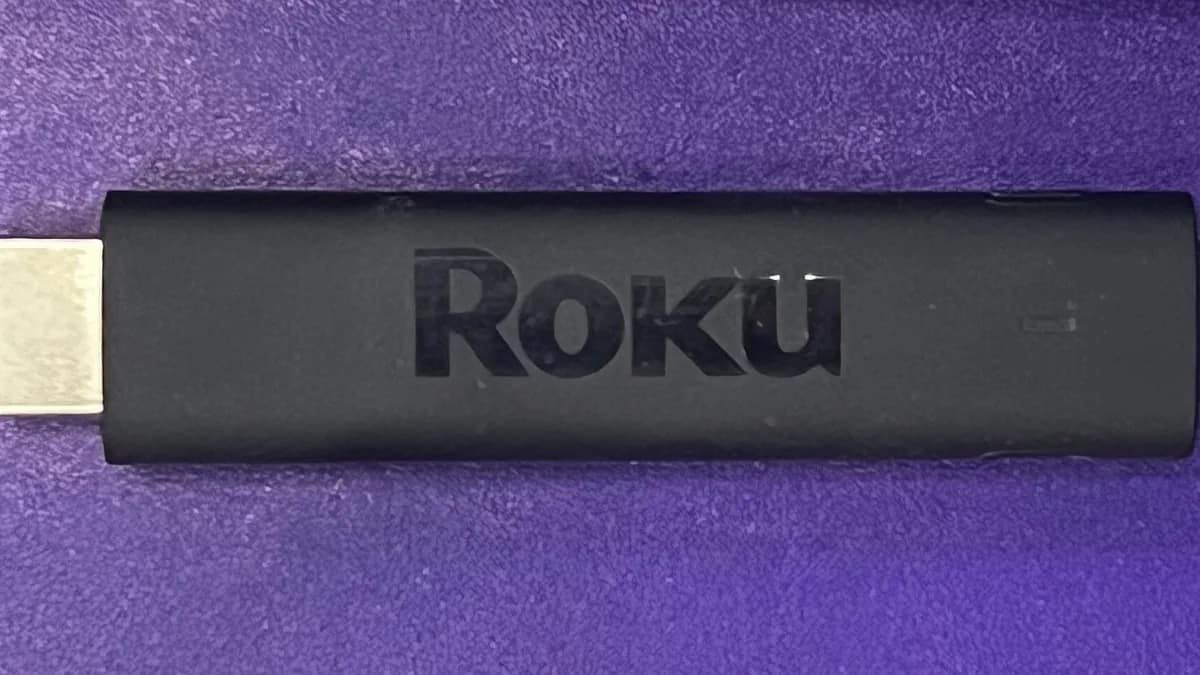
Fox closed its $22 billion acquisition of Roku on Nov. 6, so the platform running on your TV now belongs to a TV business. No changes to your home screen, ads or data settings have been announced. The first visible change is smaller: an aquarium screensaver is disappearing on Dec. 1.
What changed on Nov. 6?
Fox completed the $22 billion purchase, and Roku, founded in 2002, is now formally owned by Fox, according to TechCrunch. The two companies announced the deal in June and projected a close in the first half of 2027. It landed much earlier.
About two months before closing, the Justice Department asked both companies for more information as part of its antitrust review. Earlier in November, reports suggested the deal was close to U.S. regulatory approval. Whether the department formally cleared it, or attached conditions, has not been reported.
Fox ranks the combined company third among U.S. TV businesses by viewership. That’s Fox’s own claim, and it hasn’t been independently verified. What’s easier to pin down is the reach: Fox now has direct access to Roku’s more than 100 million households.
Will you see more ads on your Roku?
No new ad plans have been announced. But Fox’s stated reasons for the deal point squarely at advertising. TechCrunch reports that Fox expects Roku’s audience to sharpen its ad targeting, strengthen its connected TV position and make it less dependent on conventional TV distribution.
Roku already treats your screen as ad space. Its Roku City screensaver is the default screensaver and a native ad placement, according to Mashable. Roku’s annual earnings reports in recent years have cited the value of high-visibility placements on devices, screensavers included.
My view: a company that pays $22 billion for an audience will want that audience to earn its keep. I’d expect more ad pressure over time, not less. That’s an inference, though, and Fox hasn’t put a number on anything.
What happens to your viewing data?
Not known yet. Fox hasn’t said how it will use Roku’s viewing data, or whether Roku’s privacy policies will change. The only signal is the targeting claim: Fox expects Roku’s audience to sharpen its advertising, which implies it plans to use audience information somehow.
If a privacy policy update notice shows up on your Roku in the coming weeks, read it rather than clicking through. That’s the first place a real change would appear.
Aquatic Life is the first visible change
Last week, Roku users saw an on-device alert saying the Aquatic Life screensaver, an animated aquarium, would soon be removed. On Dec. 1, anyone who has it set will be moved to Roku City, per Mashable. It’s the first change owners can actually see.
The reason comes from the artist. Jim Sachs told Ars Technica, as relayed by Mashable, that he chose not to renew his annual licensing agreement after learning of the Fox deal. He said the license, which Mashable puts at $80,000 a year, was his primary source of income. His explanation was blunt:
“I can’t be part of the Fox world.”
— Jim Sachs, via Mashable
Sachs said Roku has asked him to renew. He won’t, he said, until Fox changes its business model and takes responsibility for harm it has caused. Those are his words and his account. Roku hasn’t publicly commented on user demands to bring the screensaver back.
Some users have theorized that Roku dropped Aquatic Life because it’s ad-free and earns no ad revenue. That’s speculation, not a reason Roku has given. Going by Sachs’s account, the license simply wasn’t renewed.
Aquatic Life is available as a download for Windows, macOS, iOS and Android, and Mashable notes that alternative aquarium screensavers exist on Roku.

Will the home screen or content order change?
Nothing has been announced about the home screen, row order or which apps get prime spots. Roku founder Anthony Wood offered only a general assurance in the deal announcement, and Fox hasn’t said whether the interface will change.
“Our teams will keep building and innovating as they always have, now with the support and capabilities of Fox behind us.”
— Anthony Wood, Roku founder, via TechCrunch
That says nothing about menus or app placement. It also leaves open whether Wood and other Roku leaders stay in their roles.
The question cord-cutters should care about is neutrality. Roku has been a platform where competing streamers sit side by side. Now it’s owned by a TV business, and whether that evenhandedness holds is something neither company has addressed.
What to do if you own a Roku
For now, not much, since nothing announced requires action from Roku owners. The one exception: if you use Aquatic Life, pick one of the alternative aquarium screensavers on your Roku streaming device before Dec. 1, or you’ll land on Roku City, the ad-bearing default.
If you’re thinking about buying a new Roku device or TV, there’s no reported change to hardware, pricing or software support tied to the deal. Fox hasn’t announced any. I wouldn’t change plans over a rumor of what might come.
Watch three things in the next few months: any privacy notice, any visible rise in ads on the home screen or screensaver, and any change in how the platform treats rival streaming apps.

What nobody has said yet
Plenty of basics are still open. Fox and Roku have shared the headline price and a strategic rationale, but little else about how the combined company will run, from the financial terms to how Fox will treat Roku’s data and rival streamers.
- The deal terms beyond $22 billion, including cash versus stock and the per-share price.
- Whether the Justice Department cleared the deal, and whether it attached conditions.
- How Fox will use Roku’s viewing data and ad targeting, and whether privacy policies will change.
- Whether Roku stays neutral toward competing streamers and content partners.
- Whether Wood and the rest of Roku’s leadership stay on.
- Whether Roku will comment on Aquatic Life, find a replacement or renegotiate with Sachs.
One more gap is small but telling. Sachs’s decision explains why the license lapsed. Whether Roku also weighed ad revenue in letting it go is unknown.
Tools & products mentioned
- Roku streaming device on Amazon — Check current price
Disclosure: some links in this article are affiliate links or our editor's own courses and book. If you buy through them, TechyCluster or its editor may earn money at no extra cost to you. This does not influence what we cover or how we cover it. As an Amazon Associate, TechyCluster earns from qualifying purchases.
Frequently asked questions
Did Fox really buy Roku?
Yes. Fox completed its $22 billion acquisition of Roku on Nov. 6, and Roku is now formally owned by Fox. The companies first announced the deal in June.
Will Fox change what ads I see on Roku?
No ad changes have been announced. Fox says it expects Roku's audience to improve its advertising targeting, so changes are plausible, but nothing specific has been reported.
When does the Aquatic Life screensaver leave Roku?
Users who have it set will be moved to the Roku City screensaver on Dec. 1. Artist Jim Sachs says he declined to renew his annual license after learning of the Fox deal.
Can I still get an aquarium screensaver on Roku?
Mashable reports that alternative aquarium screensavers exist on Roku. Aquatic Life itself is still downloadable for Windows, macOS, iOS and Android.
Get the next one in your inbox. One email a day with the tech stories that matter, explained in plain English. Subscribe free.
Sources
This article was compiled from reporting by the following outlets. Links go to the original reports.