Key takeaways
- JPMorgan Chase, Visa and Mastercard each said on Nov. 19 that an outside vendor was hit by a cyberattack, and all three say their own core systems were not the target.
- Visa says no payment data such as card numbers was affected, and Mastercard says no payments information was exposed, so the leaked material is mostly emails, plus some phone numbers and postal codes.
- SOCRadar's Ensar Seker says the most immediate consumer risk is targeted phishing that impersonates a bank or card provider.
- No company has named the vendors or given a customer count, and SOCRadar can't confirm that the N0n group, which claims the leak, was behind the attacks.
JPMorgan Chase, Visa and Mastercard each said on Thursday, Nov. 19, that an outside service provider was hit by a cyber incident and that some customer marketing data was exposed. What leaked is mostly email addresses, with some phone numbers and postal codes. Card numbers aren’t part of it, according to the companies.
So your card probably isn’t the thing at risk. Your inbox and your phone are.
Were card numbers stolen?
Not according to the companies. Visa said no payment data such as card numbers was affected and that its own systems weren’t involved. Mastercard said the exposure did not include payments information and that its network wasn’t affected, so cardholders can keep using their cards. JPMorgan said its services were not disrupted.
Those are company statements, and no independent investigator has confirmed them. Still, nothing reported so far suggests you need to replace a card because of this leak.
What each company says was exposed
JPMorgan says attackers took marketing data from vendors, possibly including names and email addresses. Visa points to a third-party provider in Asia Pacific. Mastercard says a limited set of cardholder email addresses tied to one benefit program was exposed. None of the three says payment data was involved.
JPMorgan said it believes attackers took certain marketing data from some of its service providers, and that the data could include customer names and email addresses. It plans to reach out to affected customers where it sees fit and offer help, including free credit monitoring. That qualifier means the offer isn’t promised to everyone whose data was exposed.
Visa did not immediately say whether other customer information was affected.
Mastercard said the exposure was limited to some email addresses belonging to a small group of cardholders enrolled in one benefit program. It said the exposure has been contained and that it is working with the provider to support those cardholders. It hasn’t said which program.
Reuters reviewed the leaked material, as relayed by SecurityWeek. In the JPMorgan-related data it found more than 16,000 customer emails, some with phone numbers and postal codes, plus what appear to be 124 JPMorgan employee email addresses. Reuters says the Visa files contain thousands of apparent customer emails and phone numbers along with campaign records, largely tied to Asia-Pacific countries.
Is this tied to the Chase service problems?
JPMorgan says no. It said this incident has no connection to the service problems customers saw earlier in the week. At the time, it blamed a software bug in on-premise hardware systems and said there was no evidence of a cyber cause.
If your problem that week was a stuck payment or a slow call center, our guide on what to do when a Chase payment is stuck still applies. It’s a separate matter.
Who says they did it, and how solid is that?
A group calling itself N0n claims it, but the claim is unverified. On Nov. 16 it posted on its leak site that it held JPMorgan-related campaign interaction records, numbering in the hundreds of thousands, tied to tens of thousands of different cardmember emails. It made similar claims about Visa and Mastercard that day.
SecurityWeek, which viewed the site, says all three companies are shown as unpaid and the data is available to download.
The attribution is thinner than the headlines suggest. SOCRadar’s dark-web monitoring spotted the posts, which include sample data as proof, but the firm says it can’t yet confirm N0n actually carried out the attacks. None of the three companies has named the group. Outlets also describe it differently: SecurityWeek calls N0n an extortion group, while CBS, Business Insider and Mashable say ransomware group. SecurityWeek reports that N0n emerged in September and lists roughly 200 alleged victims.
Reuters’ review of real-looking data lends the claims some weight. It doesn’t tell us who broke into which vendor.
Why phishing is the risk that matters
A list of real customer emails, some paired with phone numbers and postal codes, is a ready-made target list for scammers. They don’t need your card number to cause trouble. They only need to know you probably bank with Chase, or hold a Visa or Mastercard, and to write something believable.
SOCRadar’s chief security information officer, Ensar Seker, put it plainly to Business Insider:
“The most immediate risk for consumers is targeted phishing that impersonates their bank or card provider.”
The leak site offers the data for download, so I wouldn’t assume the people holding it are limited to one group. Expect fake fraud alerts, fake account-verification texts and fake credit-monitoring offers. That last one deserves a second look: JPMorgan says it will offer free monitoring, which gives scammers a handy script.
What to do this week
None of this takes long, and most of it is worth doing even if your bank is never named in a leak.
- Don’t click from a message. If an email or text claims to be from your bank or card issuer, open the official app or type the website address yourself.
- Hang up on inbound calls. If someone calls about fraud on your account, end the call and dial the number on the back of your card.
- Never read out codes. One-time passcodes and passwords are not something a real bank rep needs from you on an unsolicited call or text.
- Verify any monitoring offer. If JPMorgan contacts you about credit monitoring, confirm it through the bank’s app or a number you trust before entering personal details.
- Turn on transaction alerts in your card apps and glance at statements for charges you don’t recognize.
- Strengthen your email account. The leaked addresses are the way in for phishers, so use a unique password and multi-factor sign-in on the inbox itself.
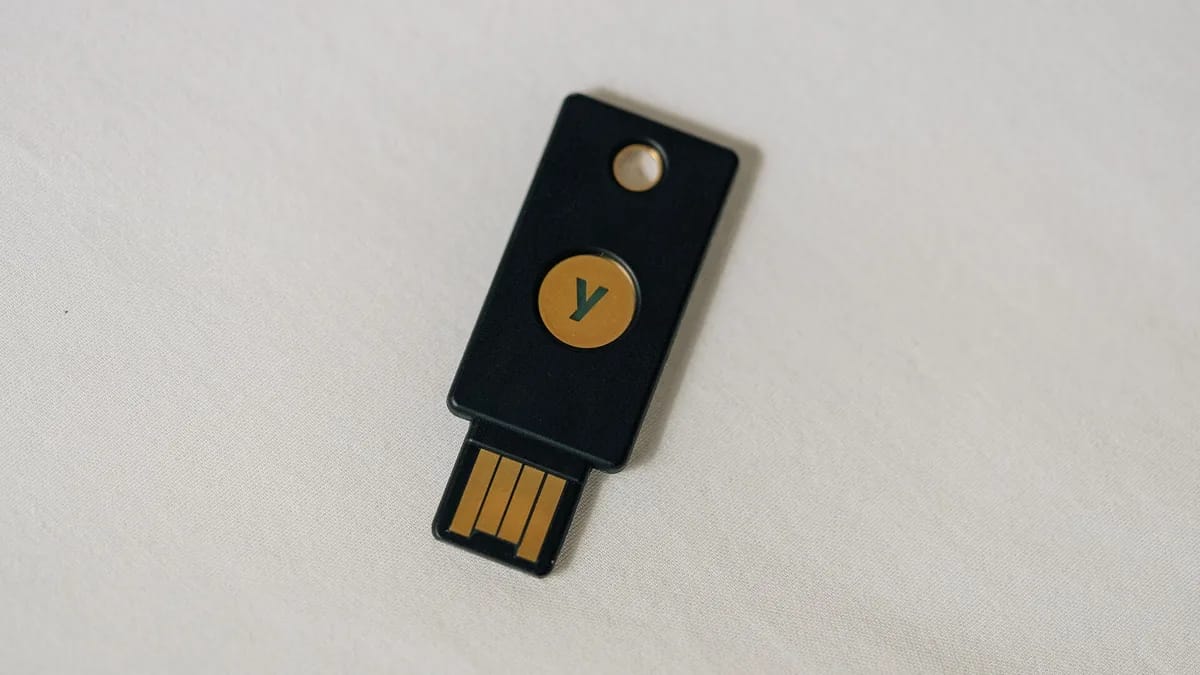
If you want a stronger lock than text-message codes, a hardware security key such as the YubiKey 5 NFC is built to resist phishing pages. It only helps where your email provider or bank supports security keys, so check before you buy.
What we still don’t know
Quite a lot. No company has named the affected vendors, so we can’t say whether it’s one provider or several. None has given a customer count: CBS says potentially thousands of customers, while N0n’s own claims point to tens of thousands of email addresses for JPMorgan alone. Those figures can’t be reconciled yet.
It’s also open whether anyone besides N0n and SOCRadar’s monitoring has confirmed the group’s role, how the attackers got into the vendors, and when the breaches happened or when the companies learned of them. Visa hasn’t said whether its leaked data goes beyond emails or reaches cardholders outside Asia Pacific. Whether the companies will notify regulators or customers beyond JPMorgan’s monitoring offer is also unreported.
Tools & products mentioned
- YubiKey 5 NFC on Amazon — Check current price
Disclosure: some links in this article are affiliate links or our editor's own courses and book. If you buy through them, TechyCluster or its editor may earn money at no extra cost to you. This does not influence what we cover or how we cover it. As an Amazon Associate, TechyCluster earns from qualifying purchases.
Frequently asked questions
Was my Chase account hacked in the data leak?
Nothing reported says Chase accounts were accessed. JPMorgan says the attackers took marketing data from vendors, possibly including customer names and email addresses, and that its services were not disrupted.
Were credit card numbers stolen in the Chase, Visa and Mastercard leak?
The companies say no. Visa said no payment data such as card numbers was affected, and Mastercard said payments information wasn't exposed and its network wasn't affected.
How do I know if my email was exposed?
It isn't clear yet. No company has said how many customers were affected, and JPMorgan says it will reach out to affected customers where it sees fit. Treat unexpected bank messages with suspicion in the meantime.
JPMorgan says there is no connection. It blamed the earlier service problems on a software bug in on-premise hardware systems.
Who is the N0n group?
N0n is a group that, per SecurityWeek, emerged in September and lists roughly 200 alleged victims on its leak site. It claims this leak, but SOCRadar can't confirm it carried out the attacks.
Get the next one in your inbox. One email a day with the tech stories that matter, explained in plain English. Subscribe free.
Sources
This article was compiled from reporting by the following outlets. Links go to the original reports.
- SecurityWeek: JPMorgan, Visa, Mastercard Cite Third-Party Incidents Amid Data Leak
- CBS News: What to know after hackers target Visa, Mastercard and JPMorgan Chase
- Business Insider: Chase, Visa, and Mastercard say cyber incidents at vendors put customer data at risk
- Mashable: Ransomware group reportedly leaks Chase, Visa, and Mastercard customer data, but not credit card numbers
- The Register: Chase, Visa, Mastercard confirm third-party cyberattacks that may have exposed customers' info
- The Washington Post: Cyberattack may have exposed Chase Bank and Mastercard customer data