
Key takeaways
- SpaceX caught the Starship upper stage between its Mechazilla tower arms about 22 hours after launch, the first time a Ship has been caught.
- The Super Heavy V3 booster aborted its own catch and was destroyed over the Gulf of Mexico, and engineers are still investigating why.
- SpaceX says the Ship's systems, heat shield included, appeared to work well over 14 laps of Earth, but the Ship's condition after the catch hasn't been reported.
- One caught Ship is not yet an aircraft-style system: reflight, a working V3 booster catch and Florida launches all still lie ahead.
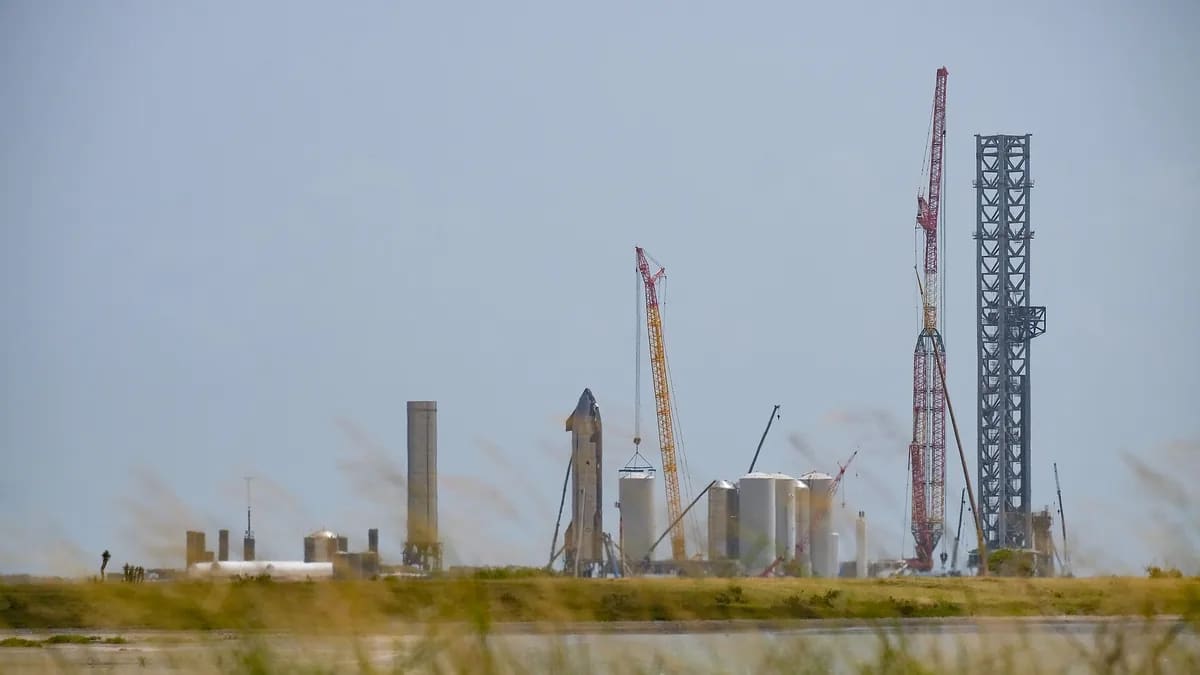
SpaceX caught the Starship upper stage in the arms of its launch tower on Saturday afternoon, about 22 hours after liftoff from Starbase, Texas. No one had caught a Ship before. The same flight lost its Super Heavy booster over the Gulf of Mexico, so Flight 15 was a partial success, and the missing half is the one SpaceX has to fix before the catch counts for much.
What SpaceX actually caught
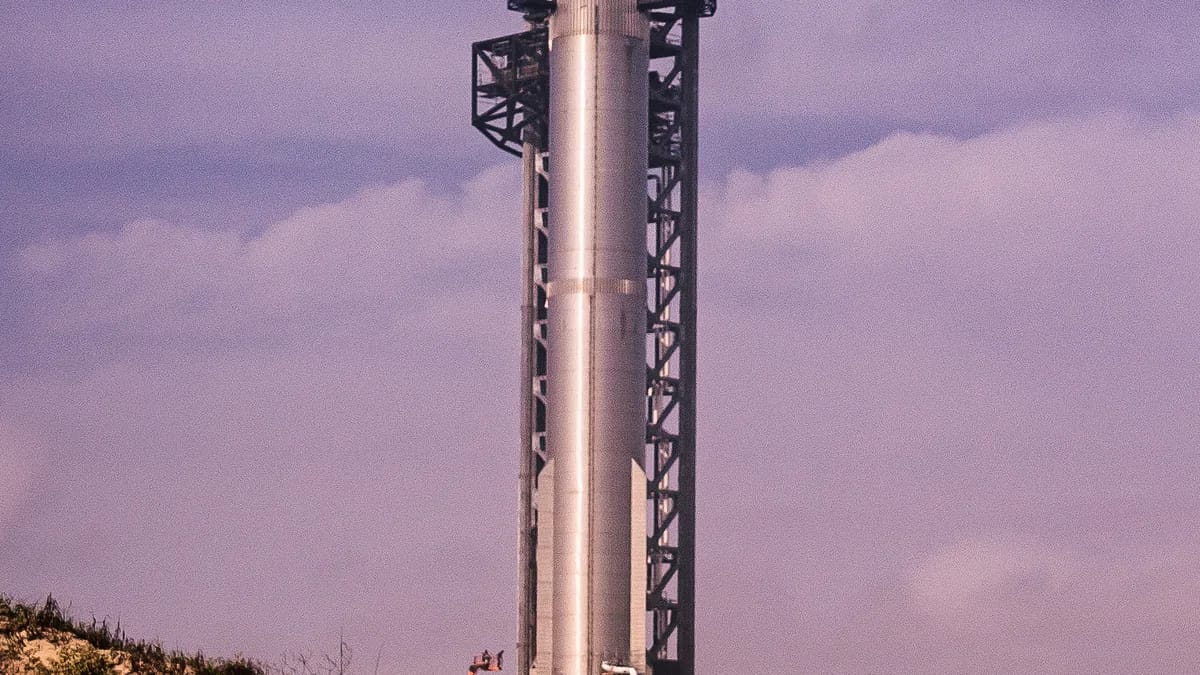
The Ship, Starship’s upper stage, returned to the Texas site and was caught between the chopstick arms of the Mechazilla tower at about 4:20 p.m. ET, according to The Verge. It was caught at the same tower it launched from.
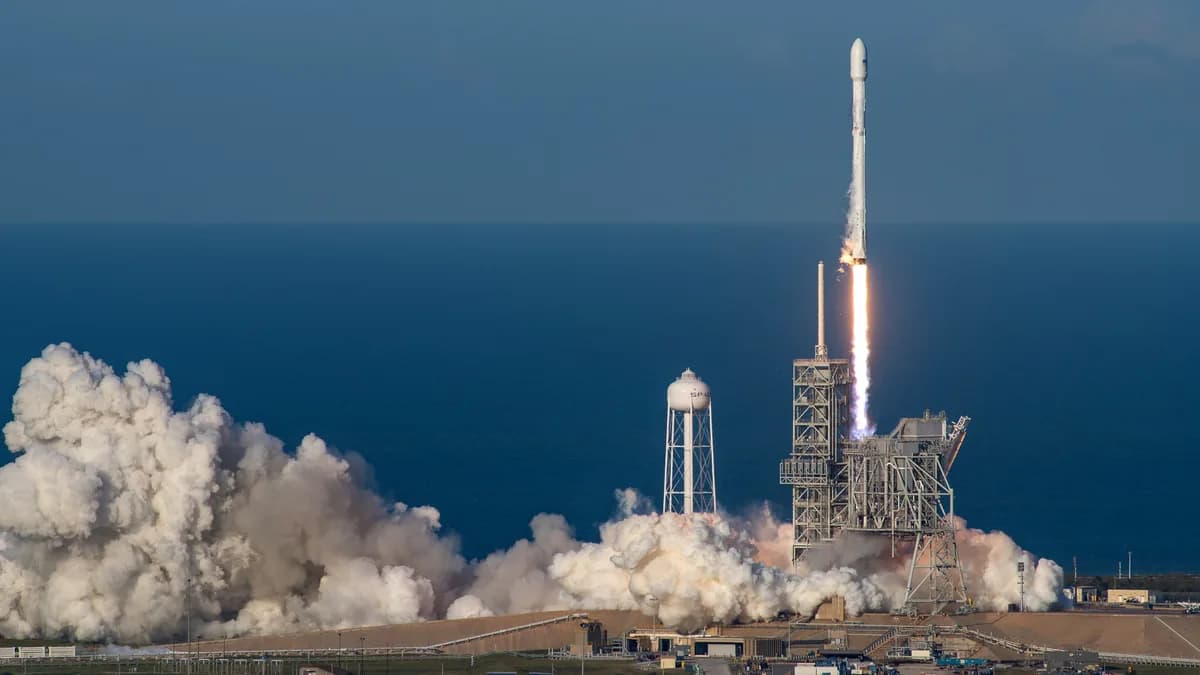
SpaceX has caught Super Heavy boosters this way before. Catching the Ship is the new part. NPR counts three earlier booster catches, while Engadget describes only a couple of caught and reflown V1 boosters. Those counts don’t match, so treat either as approximate.
This was SpaceX’s 15th full-scale Starship flight since 2023 and only its second trip to orbit. On the webcast, commentator Dan Huot reacted with the question, “Can you believe it?”
Why a tower catch is the whole point
A catch brings the vehicle back to the pad it left, which is where any fast turnaround has to start. SpaceX said the Ship catch demonstrates Starship’s full reusability. Reusing a booster while discarding the Ship would only be half of that idea.
The plan for Flight 15 was a first double catch, per CNBC and Engadget: the Super Heavy V3 booster first, then the Ship a day later. Only the second catch happened.
Starship is meant for Moon and Mars missions, and it’s a very large machine, with the stack standing 407 feet (124 meters) tall. Throwing away something that size after one flight doesn’t work as a business or as a lunar program. That’s why a Ship catch carries more weight than one more booster catch.
How did the heat shield and 14 laps go?
SpaceX reported that everything on the Ship, including its heat shield, appeared to work well. The Ship flew 14 laps of Earth at about 165 miles (265 km) altitude, far more than the one or two laps of the previous mission, according to NPR and CNBC.
That’s SpaceX’s early account. The heat shield is the part a return from orbit tests hardest, and the catch itself suggests the Ship came back controlled. But how the Ship looks up close after reentry, and whether it can fly again, hasn’t been reported. Treat SpaceX’s statement as a first read, not an inspection result.
The Ship also did its other job. It separated from the booster, reached orbit and released 26 Starlink V3 satellites, the same number as the previous flight.
The booster problem hasn’t gone away
The Super Heavy V3 booster aborted its return, was diverted to the Gulf of Mexico and was destroyed. SpaceX’s Kate Tice said the engines shut down too early during the descent, per NPR. Onboard guidance detected that the booster was out of position, then automatically sent it to the Gulf and destroyed it.
The root cause is still under investigation. Accounts of the loss differ. NPR says the booster exploded shortly after liftoff. The Verge and Engadget say it aborted on the way back and exploded before hitting the water. CNBC says it was diverted to splash into the Gulf, where it burst into flames. The wreckage stayed in the water, cordoned off by buoys, according to NPR.
Engadget notes the booster was a V3, while the earlier catches involved V1 boosters. So the newer booster hasn’t yet shown it can do what the older one did. Whether the FAA will require a mishap investigation hasn’t been reported. The agency had authorized the launch on Friday. Later that day it issued a nationwide ground stop over communication problems at multiple air traffic control centers, and a spokesperson said SpaceX’s license wasn’t affected. If you’re curious how those ground stops happen, we’ve covered what broke in an FAA ground stop and what it says about old TDM gear.
How close is Starship to flying like an aircraft?
Not close yet. Airline-style flying means the same hardware going up again and again with dull, predictable turnarounds. SpaceX has caught one Ship once. Nothing reported says a caught Ship has flown a second time, and the V3 booster is still unproven.
The distance to cover is easy to list. The booster fix comes first. After that, SpaceX has to show the Ship it caught is in good enough shape to refly. SpaceX also expects to start launching Starships from Kennedy Space Center in Florida within the next few months, per NPR.
One analyst view, from William Blair as relayed by CNBC, is that SpaceX is likely about a decade ahead of its peers in launch, and that a delay of a few months from a failed catch wouldn’t matter much. That’s one firm’s opinion, but it fits a reasonable reading. The Ship catch shows the hard part can work. It doesn’t yet show it works every time.
Why this matters if you don’t follow rockets
Two things you might notice are Starlink and NASA’s Moon plans. Starlink is SpaceX’s profit center, and CNBC reports more than 11,000 active Starlink satellites in low Earth orbit. A SpaceX post tied the 26-satellite deployment to its goal of Starlink reaching 51% of the internet. SpaceX also claims one Starship can carry up to 60 Starlink V3 satellites, about 20 times what a Falcon 9 carries. Those figures are SpaceX’s claims, reported by CNBC.
On the NASA side, the agency welcomed the catch. It has committed billions of dollars to Starship as the lander meant to put Artemis astronauts on the Moon before this decade ends. Artemis III will stay in Earth orbit for lander practice, with four astronauts trying to dock with both Starship and Blue Origin’s Blue Moon. For Artemis IV, the first crewed Moon landing since Apollo, NASA’s target is 2028 at the earliest, with Starship and Blue Moon taking turns delivering crews.
I’d treat 2028 as a target, not a promise. A caught Ship helps. A booster that gets out of position and destroys itself doesn’t.
If you want the backstory of how SpaceX got here, Eric Berger’s book Liftoff: Elon Musk and the Desperate Early Days That Launched SpaceX covers the company’s early years.
Open questions after Flight 15
Most of what decides Starship’s next year is still unanswered, and none of these questions has an announced answer yet. The biggest are why the booster failed, what shape the caught Ship is in, and when Flight 16 might fly. The rest are listed below.
- Why the booster’s engines cut out early, and what the fix is.
- What condition the caught Ship is in, and whether SpaceX will reuse it or fly it again.
- When Flight 16 happens, and whether it retries the double catch.
- Whether the FAA requires a mishap investigation for the booster loss and Gulf debris.
- Whether all 26 Starlink V3 satellites work as intended. Sources say they were released, not that each one is confirmed healthy.
- How firm the schedule is for Florida launches and for Artemis III and IV.
Tools & products mentioned
- Liftoff: Elon Musk and the Desperate Early Days That Launched SpaceX on Amazon — Check current price
Disclosure: some links in this article are affiliate links or our editor's own courses and book. If you buy through them, TechyCluster or its editor may earn money at no extra cost to you. This does not influence what we cover or how we cover it. As an Amazon Associate, TechyCluster earns from qualifying purchases.
Frequently asked questions
Did SpaceX catch Starship?
Yes, the upper stage. SpaceX caught the Ship between its Mechazilla tower arms at about 4:20 p.m. ET on Saturday, about 22 hours after launch. It's the first Ship catch.
What happened to the Super Heavy booster on Flight 15?
It didn't get caught. SpaceX's Kate Tice said its engines stopped too early on the way down, and its guidance system triggered a diversion and self-destruction over the Gulf of Mexico. Engineers are still investigating.
How many Starlink satellites did Starship launch on Flight 15?
The Ship released 26 Starlink V3 satellites after reaching orbit, matching the previous flight, according to NPR, CNBC and Engadget.
When is the next Starship launch?
No date has been reported for Flight 16. SpaceX expects to begin Starship launches from Kennedy Space Center in Florida within the next few months, per NPR.
Get the next one in your inbox. One email a day with the tech stories that matter, explained in plain English. Subscribe free.
Sources
This article was compiled from reporting by the following outlets. Links go to the original reports.
- The Verge: Watch SpaceX successfully execute the first ‘chopstick’ catch of Starship
- NPR: SpaceX successfully catches Starship and makes history
- CNBC Tech: SpaceX launches Starship in key test flight of massive rocket
- Engadget: SpaceX successfully catches Starship after launch for the first time
- Reuters: SpaceX launches 15th Starship flight with hopes of achieving first round trip
- Bloomberg.com: SpaceX’s Future Hinges on Starship. Can It Deliver?