
Key takeaways
- Google Wallet launched on iOS in the US on November 17, 2026, but it does not support tap-to-pay purchases in physical stores.
- Google cites platform restrictions, according to 9to5Google, while MacRumors speculates that Apple's commercial agreement and fees for NFC access may be the reason.
- Apple has allowed NFC contactless payments in third-party apps since iOS 18.1, but only in seven countries, and developers need a commercial agreement with Apple.
- Google hasn't said whether or when tap-to-pay or a launch outside the US will follow, so Apple Pay stays the in-store option on iPhone.
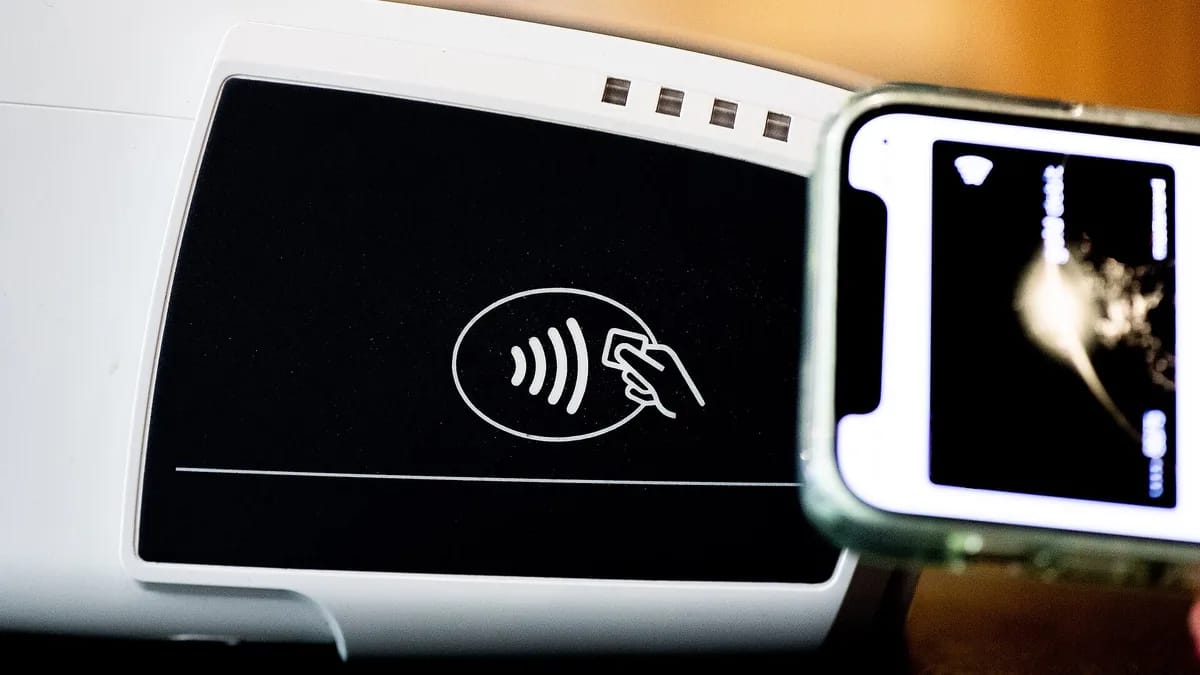
Google Wallet is now on the iPhone. Google announced the iOS app for US users on November 17, 2026, and it can hold your cards, passes and tickets. What it can’t do is let you tap your phone at a store terminal.
That gap is the whole story for anyone wondering if they can drop Apple Pay. For now, you can’t.
What does the Google Wallet iOS app actually do?
It digitizes physical cards, stores payment cards for faster online checkout, and tracks purchases made through Google’s agentic tools. Loyalty and gym cards can be imported by scanning them with the phone camera. Tap-to-pay in physical stores is not included, Android Authority and others report.
The saved payment cards work for online checkout across Google services and anywhere Google Pay is accepted, according to MacRumors. The app also connects to Gmail and other Google apps, which feeds package tracking and holds tickets and boarding passes.
The odd one out is what Google calls a secure hub for agentic purchases made across Google: order confirmations, receipts and delivery updates in one place. Engadget says that hub looks like the only area where the app differs meaningfully from Apple Wallet. The outlet also argues that Apple has been warier of agentic AI than rivals are, which is Engadget’s own characterization. For a sense of how Apple has approached AI elsewhere, see our piece on the Apple Health AI study that puts research before a chatbot.
On design, 9to5Google describes a floating navigation pill in Apple’s Liquid Glass style with two tabs. The home screen leads with a carousel of recent purchases awaiting delivery, then boarding passes, then a grid of loyalty cards. A plus button adds loyalty, gift and payment cards, and the payment cards added there are for use in Chrome. An “Everything else” camera scanner digitizes other items. Those interface details come from that one outlet.
Why is there no tap-to-pay?
Nobody has confirmed the reason. Google cites platform restrictions, according to 9to5Google. MacRumors suggests Apple’s NFC rules may be why. Engadget and Android Authority give no explanation at all.
So there are three versions of the story, and only the first comes from Google. The second is an inference. MacRumors says the missing feature may come down to Apple requiring a commercial agreement and fees for NFC access, and it notes that Google could add contactless payments if it paid those fees. Google hasn’t said that. It also hasn’t said whether tap-to-pay will ever arrive on iOS.
Engadget adds some context: Apple and Google have rarely released first-party software for each other’s hardware, so the launch is a bit of a surprise. A first-party app from Google on iOS is already unusual. A first-party app with full wallet powers would be a bigger leap.
Apple’s NFC rules in plain English
NFC is the short-range radio tech that lets a phone talk to a payment terminal. Apple has allowed NFC contactless payments in third-party apps since iOS 18.1. Developers can’t just switch it on, though: they need a commercial agreement with Apple, MacRumors reports.
MacRumors also points to fees as part of that arrangement. The fee amounts and the terms of the agreement are not in the reporting, so I won’t guess at them. What matters for you is the structure. A third-party wallet doesn’t get tap-to-pay by default on an iPhone. It has to be granted, and it comes with a business deal attached.
That’s why the “may be” in MacRumors’ explanation is worth taking seriously, and also worth not overstating. The rule exists. Whether it’s the thing holding Google back is a guess.
Where the NFC access applies
Apple offers NFC access to app developers in seven countries: Australia, Brazil, Canada, Japan, New Zealand, the United Kingdom and the United States. Outside those seven, the reporting doesn’t describe any third-party NFC path at all.
The US is on that list. The Google Wallet iOS app launched in the US only. So geography doesn’t explain the missing feature. If a commercial agreement and fees are the obstacle, Google would face it in its home market just as it would elsewhere.
As for the app going beyond the US, Android Authority reports Google gave no timeline.
Can you ditch Apple Pay for Google Wallet?
Not for paying in stores with an iPhone. Based on the launch reporting, Apple Pay and Apple Wallet remain the way to tap at a terminal. Google Wallet can sit alongside them as a place for loyalty cards, tickets, boarding passes and online-checkout cards.
My advice: install it if you already live in Gmail and Chrome, or if you like having package tracking and receipts in one spot. Don’t delete anything from Apple Wallet. If you want Google Wallet’s own tap-to-pay, you’d need a different phone, which is a hardware decision and a bigger one than an app download.
Spreading cards across two wallets has a small upside, since payment systems do fail. Our piece on what the Chase outage means if your payment is stuck covers what to do when a payment goes sideways. Android Authority also mentions an Apple services outage on launch day and suggests Google Wallet as a fallback. It reports no connection to the launch, and I wouldn’t infer one.
The agentic hub only matters if you use Google’s shopping tools. If you don’t, the app is mostly a card and pass organizer for now.
What’s still unclear
Quite a lot. Google hasn’t said whether tap-to-pay will come to iOS, or whether it would sign a commercial agreement with Apple and pay the fees MacRumors describes. It hasn’t given a date for markets beyond the US.
Other gaps:
- Which agentic purchases Google means, and which of its services create them.
- Whether the iOS app supports digital IDs and credentials. Engadget implies both wallets do, but the other reports don’t mention it.
- How complete the iOS app is compared with the Android version.
- Whether the rollout is immediate for every US iOS user or staggered.
Google’s own blog post is the origin of the announcement, so any of these could be answered there or in a later update. Until Google says more, treat the NFC-fee explanation as a reasonable theory and platform restrictions as the only official answer.
Tools & products mentioned
- iPhone on Amazon — Check current price
Disclosure: some links in this article are affiliate links or our editor's own courses and book. If you buy through them, TechyCluster or its editor may earn money at no extra cost to you. This does not influence what we cover or how we cover it. As an Amazon Associate, TechyCluster earns from qualifying purchases.
Frequently asked questions
Is Google Wallet available on iPhone?
Yes, in the US. Google announced the iOS app on November 17, 2026. Google hasn't said whether or when it will expand to other countries.
Can I use Google Wallet tap to pay on iPhone?
No. The iOS app does not support tap-to-pay purchases in physical stores. Google hasn't said if or when that will change.
Why doesn't Google Wallet on iOS support tap-to-pay?
Google cites platform restrictions, according to 9to5Google. MacRumors speculates that Apple's NFC commercial agreement and fees may be the reason, but Google hasn't said so.
Which countries have Apple's NFC access for app developers?
Australia, Brazil, Canada, Japan, New Zealand, the United Kingdom and the United States. Developers also need a commercial agreement with Apple, according to MacRumors.
Get the next one in your inbox. One email a day with the tech stories that matter, explained in plain English. Subscribe free.
Sources
This article was compiled from reporting by the following outlets. Links go to the original reports.
- MacRumors: Google Wallet Available on iPhone, But Without Tap to Pay
- 9to5Mac: The Google Wallet app is now available on iOS
- Engadget: Google Wallet is launching on iOS
- Android Authority: Google Wallet expands to iOS, but don’t expect to use tap-to-pay
- 9to5Google: The Google Wallet app is now available on iOS