Key takeaways
- OpenAI released GPT-6.2 Astra for its hardest projects and GPT-6.2 Sol for everyday coding and writing on 17 November 2026.
- On Cognition's FrontierCode 2.0, OpenAI says Sol trailed Astra by less than half a point while costing roughly 20% as much.
- The $200 Pro plan gets Ultrafast mode for the first time, but only with Sol; the $500 Pro plan gets it on both models.
- In the API, Astra's standard prices fall 20% from GPT-6 Astra while Sol keeps its GPT-6.1 pricing.
OpenAI released GPT-6.2 Astra and GPT-6.2 Sol on 17 November 2026, and the choice between them is partly a pricing question. Both models are live in ChatGPT Work, Codex and the OpenAI API. Which one you should use depends on what you’re building, which plan you pay for, and how much speed is worth to you.
I’d start with Sol and move up to Astra only when a task proves too hard for it. The reasoning differs by plan, so I’ll take them in turn.
Should you pick Astra or Sol?
Pick Sol for everyday coding and writing and Astra for your hardest, most complex projects. That’s how OpenAI positions them. Sol is the cheaper model, and OpenAI’s own benchmark suggests you give up very little by choosing it for routine work.
The evidence is one test. On Cognition’s FrontierCode 2.0, a benchmark that scores whether code changes to real projects would be accepted by the people who maintain them, 9to5Mac reports that Sol trailed Astra by less than half a point while costing about 20% as much. Both ran at maximum reasoning effort. OpenAI supplied those figures, and no independent verification has been reported.
Where does Astra earn its price? OpenAI says it’s better in Codex at making and testing changes inside an existing project, citing early testers who described tidier code style and tighter tests that needed fewer rounds of revision. It also says Astra can take a screenshot of a slide and use it as a template for the rest of a deck, matching layout, colors and font size. Those are OpenAI’s descriptions of its own product.
What each ChatGPT plan gets
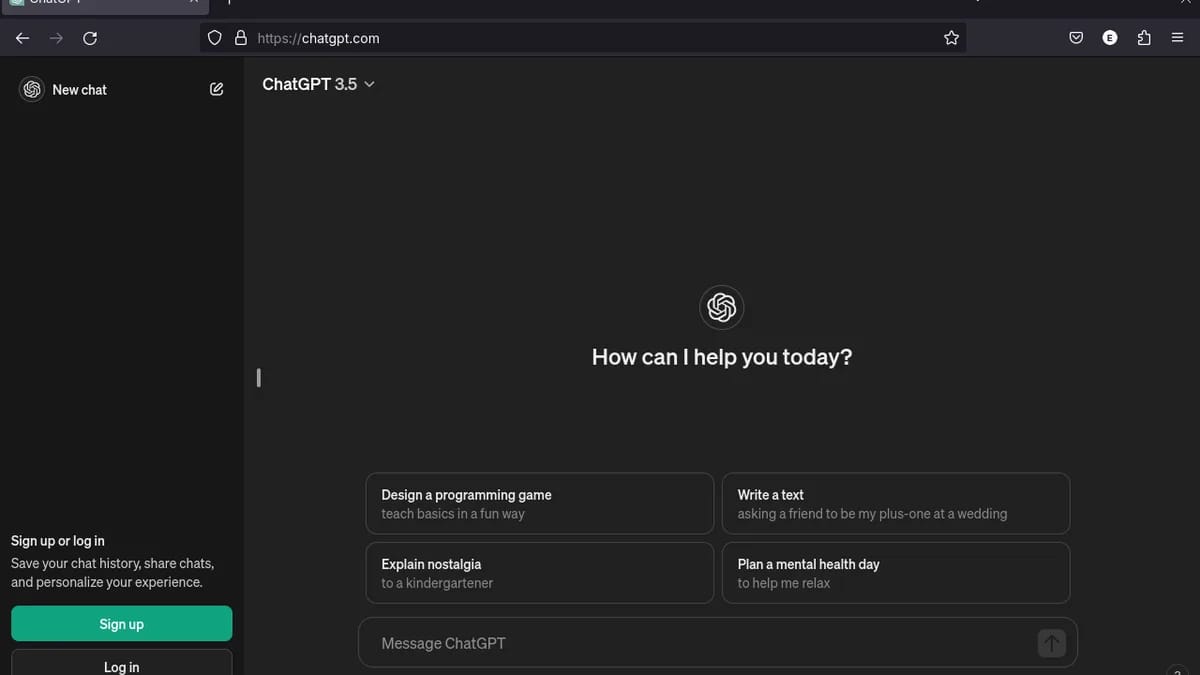
Plus, both Pro tiers, Enterprise and Edu all get both models in ChatGPT Work and Codex as of launch day. According to TechRadar, Free accounts are shut out, and the models work only in Work mode, not Chat mode.
The difference between plans is Ultrafast, the faster mode:
- Plus: both models, but Plus isn’t on the Ultrafast list.
- Pro at $200/month: Ultrafast for the first time, but only with Sol.
- Pro at $500/month: Ultrafast on both Astra and Sol.
- Enterprise and Edu: Ultrafast on both models in eligible workspaces, once an admin switches it on.
TechRadar adds that Ultrafast was previously limited to the $500 Pro tier, so the $200 plan’s access to Sol Ultrafast is a real widening. Beyond Ultrafast, this release doesn’t spell out other differences between the two Pro tiers.
Is Ultrafast worth the extra allowance?
It’s worth it when waiting is your bottleneck and you have allowance to spare. Ultrafast burns through more of your usage allowance than standard speed, according to 9to5Mac. You flip between speeds in the model picker, so you can use it for a sprint and switch back.
How much faster is it? The two outlets disagree. 9to5Mac reports OpenAI’s claim of up to 4.5 times the standard token rate on either model. TechRadar reports up to 8 times the speed of GPT-6 Astra running at standard speed in Codex. The baselines probably differ, so treat both as ceilings, not what you’ll see on a normal afternoon.
OpenAI also says both models finish demanding tasks using fewer output tokens, so you get more done before hitting a limit. That claim partly offsets Ultrafast’s extra appetite, though the size of the offset hasn’t been published.
For $200 Pro subscribers, the practical choice is Sol with Ultrafast for routine work or Astra at standard speed for the heavy lifting. I’d lean on Sol Ultrafast for most days.

What changed for API developers
Astra got cheaper and Sol didn’t change. 9to5Mac reports that Astra’s standard input and output rates are down 20% from GPT-6 Astra, while Sol stays at its GPT-6.1 pricing. Per-million-token prices weren’t included in what’s been published, so you’ll need OpenAI’s pricing page for exact numbers.
TechRadar says developers can use Ultrafast with either model in the API. Only that outlet reports it, so check the docs before building around it.
OpenAI’s cost comparisons favor Astra against its predecessor and a rival. On the Agents’ Last Exam benchmark, TechRadar reports OpenAI says Astra beat GPT-6 Astra by 5.2 points while costing less than one-third as much per task, going by OpenAI’s API cost estimate. It also says Astra beat Anthropic’s Claude Fable 5.2 by 5.5 points at about 5% of the cost. Both numbers are OpenAI’s, and the cost figures are estimates per task, not your bill.
If you’re building on the API and want a framework for weighing model cost against quality, Chip Huyen’s book AI Engineering is a well-regarded place to start.
Why this matters for your wallet
The release makes the cheap model the sensible default. If Sol really does come within half a point of Astra on real-codebase work at a fifth of the cost, paying for Astra on every request is hard to justify. Reserve it for work where a failed attempt costs you more than the price gap.
For subscribers, the decision map is short. On Plus, you have both models but no Ultrafast. On $200 Pro, Sol Ultrafast is the new fast lane. The $500 tier looks worth it mainly if you want Ultrafast on Astra. Teams on Enterprise or Edu should ask an admin to enable Ultrafast, since it’s off until they do.
For developers, Astra’s 20% cut makes a heavier-model fallback cheaper than it was under GPT-6. A common setup is to route routine calls to Sol and escalate only failures to Astra. That’s my suggestion, not an OpenAI recommendation, and it’s worth testing on your own tasks before committing.
There’s also a competitive backdrop. Neowin frames the launch as OpenAI trying to reclaim its performance lead after pressure from Anthropic’s Claude Fable 5.2 and Google’s Gemini 4 Carbon. That’s the outlet’s framing, and nothing published shows the lead has been regained. If you also use OpenAI products at work, it’s reasonable to keep an eye on how the company handles disclosure alongside the pricing.
Numbers nobody has checked yet
Every benchmark and cost figure here comes from OpenAI, including the early-tester feedback. No independent verification has been reported for Agents’ Last Exam or FrontierCode 2.0 results, so the Sol-versus-Astra gap is a vendor claim until someone else reruns it.
Other gaps:
- The actual API prices per million tokens for Astra and Sol.
- How much extra allowance Ultrafast consumes on each plan.
- What maximum reasoning effort costs in real use for a typical developer.
- How Claude Fable 5.2 and Gemini 4 Carbon compare on tasks beyond the one cited benchmark.
- Whether GPT-6.2 will ever reach Chat mode or Free users.
OpenAI also showed off a demo. One of its developers, Thomas Ricouard, used GPT-6.2 to build Paris Atlas, a browser world of Paris you can walk or drive through, built from street maps and survey records from France covering over 131,000 buildings. TechRadar found it slow to load but impressive. It’s a showcase by an OpenAI employee and one reviewer’s impression, so don’t read it as proof of what the model does for you.
The GPT-6 family began with Astra in September 2026, and Sol received its GPT-6.1 upgrade at DevDay a few weeks later. That cadence suggests another change could come soon, which is one more reason not to lock into an annual plan on the strength of one launch.
Related gear
Disclosure: some links in this article are affiliate links or our editor's own courses and book. If you buy through them, TechyCluster or its editor may earn money at no extra cost to you. This does not influence what we cover or how we cover it. As an Amazon Associate, TechyCluster earns from qualifying purchases.
Frequently asked questions
What is the difference between GPT-6.2 Astra and Sol?
OpenAI recommends Astra for its hardest, most complex projects and positions Sol as the cheaper model for everyday coding and writing. On one coding benchmark, OpenAI says Sol trailed Astra by less than half a point while costing roughly a fifth as much.
Is GPT-6.2 available to free ChatGPT users?
According to TechRadar, no. Free accounts can't use the models, which also work only in Work mode, not Chat mode. Plus, Pro, Enterprise and Edu plans have access.
Which plans get Ultrafast mode with GPT-6.2?
The $200 Pro plan gets Ultrafast with Sol only, and the $500 Pro plan gets it on both models. Eligible Enterprise and Edu workspaces get both once an admin enables it. Ultrafast uses more of your usage allowance.
How much does GPT-6.2 cost in the API?
Astra's standard input and output rates are down 20% from GPT-6 Astra, and Sol stays at its GPT-6.1 pricing. The per-million-token prices haven't been reported, so check OpenAI's pricing page.
Get the next one in your inbox. One email a day with the tech stories that matter, explained in plain English. Subscribe free.
Sources
This article was compiled from reporting by the following outlets. Links go to the original reports.
- 9to5Mac: OpenAI upgrades ChatGPT and Codex with new GPT-6.2 Astra and Sol models
- Neowin: OpenAI launches GPT-6.2 Astra and Sol with major performance gains at a fraction of the cost
- TechRadar: OpenAI just unveiled GPT-6.2 Astra and Sol