Key takeaways
- The FCC authorized SpaceX to deploy up to 1 million Starmind AI-computing satellites, announced by Chairman Brendan Carr on Wednesday, Nov. 25, 2026.
- The deadlines are one operational satellite by 2033, 100,000 by November 2035 and the full 1 million by November 2040.
- SpaceX says Starmind will link to Starlink by laser and use chips from a planned facility called Terafab, but no production start date has been reported.
- Ars Technica says the approval clears a regulatory hurdle but leaves open whether orbital data centers are workable in engineering or cost terms.
The FCC has authorized SpaceX to put up to 1 million AI-computing satellites into orbit, FCC Chairman Brendan Carr announced on Wednesday, Nov. 25, 2026. SpaceX calls the program Starmind, and its deadlines stretch to 2040.
Getting permission is the easy part. Building a constellation roughly 50 times larger than what flies today is the hard part, and the approval’s schedule shows how much has to happen first.
What did the FCC actually approve?
The FCC decided that SpaceX can field as many as 1 million Starmind satellites, a constellation meant to run AI computing in orbit. Ars Technica describes the authorization as conditional, though the coverage so far doesn’t spell out the conditions.
The Verge says this is the first FCC approval for a full constellation of AI satellites. That claim appears only in The Verge’s coverage, so treat it as that outlet’s framing.
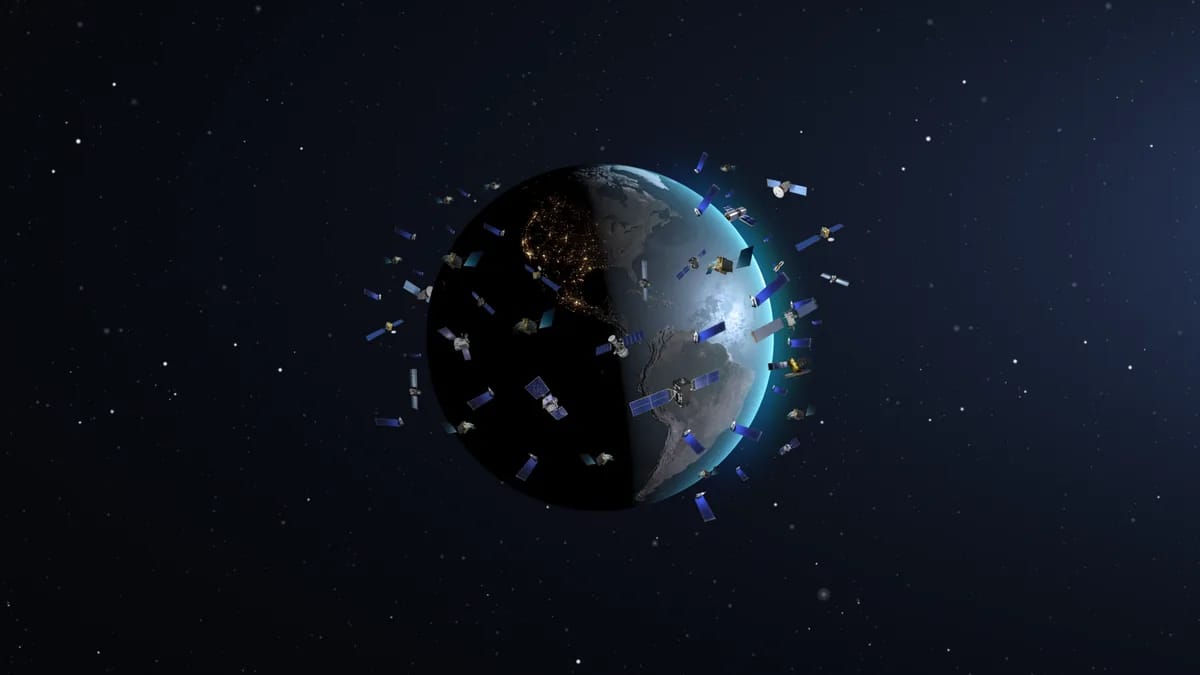
Ars estimates that full deployment would multiply the number of satellites now in orbit by roughly 50. That’s Ars’s own estimate, not an FCC figure.
The 2033, 2035 and 2040 deadlines
SpaceX has to launch at least one operational satellite within seven years, so by 2033. It then has until November 2035 to reach 100,000 operational satellites, and until November 2040 to finish all 1 million, according to Ars. That’s about 14 years of total runway.
The back half looks steep. Getting from 100,000 satellites to the full 1 million in the final five years is where the schedule gets tight. These are outer limits, not a launch plan.
Ars reads the long deadlines as a way to give SpaceX wide latitude while it works through open technical and economic questions. I think that’s a fair reading. Nothing in the approval says when the first Starmind satellite will actually fly.
Six orbits, and a disposal request the FCC set aside
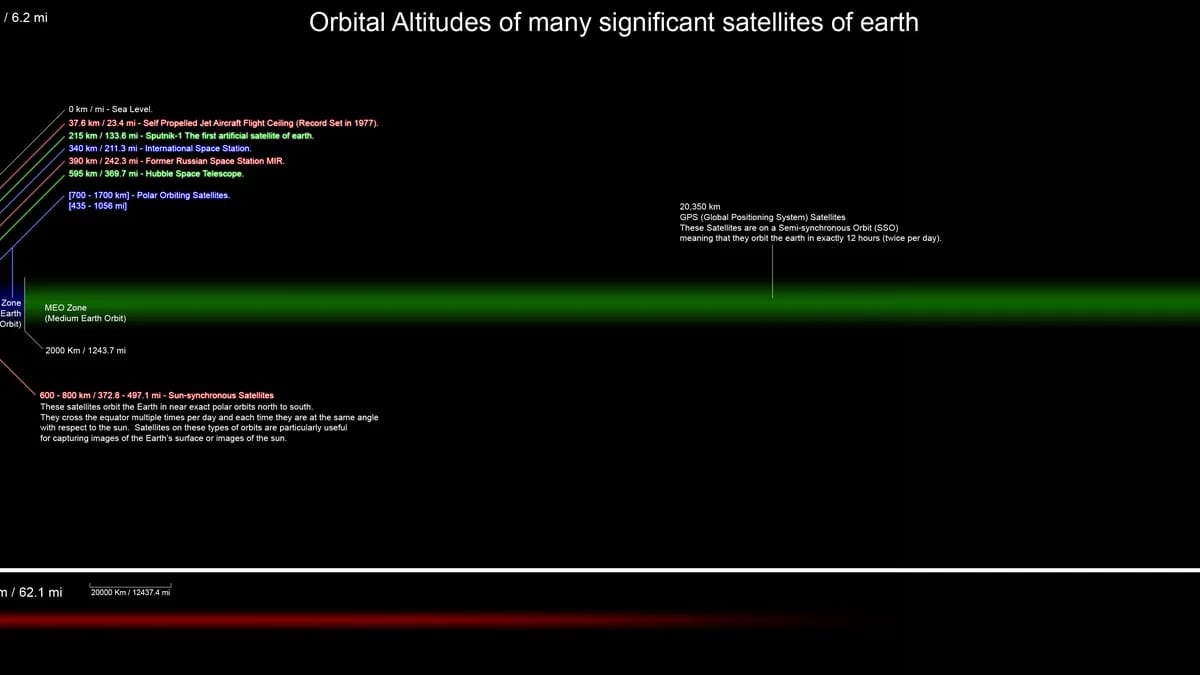
SpaceX proposed six orbits for Starmind, starting at 550 km and reaching about 1,000 km, according to Ars. All of that is low Earth orbit, the same general neighborhood Starlink already uses.
The thornier part is what happens at the end of a satellite’s life. SpaceX asked for a waiver so that satellites above 600 km could be moved to Earth disposal orbits or heliocentric orbits, rather than being left to burn up in the atmosphere.
The Verge reports the FCC deferred that request, saying SpaceX hadn’t provided enough information about its disposal plans. Ars says only that SpaceX asked for the waiver, so the deferral rests on one outlet for now. If it holds, the highest orbits have an unsettled exit plan.
How would the lasers and chips work?
SpaceX says Starmind satellites will harvest sunlight in orbit to power AI workloads on Earth and beam data down over fast lasers tied into Starlink, per The Verge. Starlink would act as the network backbone, with Starmind as the compute layer.
The chips are a separate problem. SpaceX plans to make them at an upcoming facility it calls Terafab. When Terafab will open, what it will produce and how many chips a million satellites would need are all not yet reported.
Chips are where the schedule is most exposed. Every satellite needs hardware built for space, and the deadlines assume a factory that, by the coverage so far, hasn’t started production.
Power, financing and launch and data costs also have no published figures yet.
Who objected, and what the FCC did with it
The FCC said the application drew many public comments, including petitions to deny from Kuiper Systems (Amazon Leo), Viasat and the American Astronomical Society, per CNBC.
In a March petition, Amazon called Starmind a wish more than a real plan and argued that SpaceX would need centuries to finish it. Amazon also said SpaceX gave little detail. Those are Amazon’s claims. Carr rebuked the company, telling it to worry instead about missing its own satellite deployment milestone. That’s Carr’s assertion, and Amazon hadn’t replied to CNBC at the time.
The FCC also said it dismissed comments on topics outside its authority, including environmental concerns and concerns about impact on optical astronomy. Astrophysicist Adam Becker criticized the decision, saying it will “further pollute the night sky and runs a serious risk of a cascading chain reaction of space junk collisions.” That is his opinion.
Carr framed it differently. In the announcement, as Ars quotes him, he said: “This action opens a bold new frontier for the computing infrastructure needed to power America’s leadership and growth.”
What it means for you
For most people, nothing changes this week. No Starmind satellite is in orbit, and nothing reported suggests consumer Starlink service is affected. If you already run a Starlink Standard Kit at home, there’s no action to take.
The bigger signal is for anyone who follows AI infrastructure. Companies are looking for places to put compute that don’t depend on power grids and land on Earth. We’ve covered how heavy those costs are for AI labs in our look at the compute risk behind Anthropic’s IPO and in the filing’s revenue and loss figures. Orbital compute is one proposed answer, though an unproven one.
SpaceX isn’t alone. Google launched its first Project Suncatcher chips in October on a SpaceX rocket and a Planet Labs satellite, and Blue Origin is to carry out the first dedicated heavy-lift Suncatcher launch in 2029. Blue Origin also petitioned the FCC in March for up to 51,600 satellites in a constellation called Project Sunrise. SpaceX is also a defendant in other regulatory fights, such as the Oregon and Virginia suits over Grok, so its regulatory profile is broader than satellites.
If you care about the night sky, the fair takeaway is that the FCC said it lacks authority over that concern. Congress or other agencies would have to address it, and none has been reported as doing so.
What nobody has answered yet
The big question is viability. Ars says the approval gets SpaceX past a regulatory hurdle without proving that the engineering or the economics work. I agree, and the coverage gives no cost figures to argue otherwise.
Several other gaps remain:
- What makes the authorization conditional, and what the FCC will decide on the deferred disposal request.
- Whether Amazon, Viasat or the American Astronomical Society will challenge the decision.
- When the first Starmind satellite launches, and when Terafab starts making chips.
- How a constellation this size would affect debris and collision risk.
- How the approval changes Google’s and Blue Origin’s plans.
CNBC marked its story as developing, and SpaceX hadn’t commented at the time.
Tools & products mentioned
- Starlink Standard Kit on Amazon — Check current price
Disclosure: some links in this article are affiliate links or our editor's own courses and book. If you buy through them, TechyCluster or its editor may earn money at no extra cost to you. This does not influence what we cover or how we cover it. As an Amazon Associate, TechyCluster earns from qualifying purchases.
Frequently asked questions
What is SpaceX Starmind?
Starmind is SpaceX's plan for a constellation of AI-computing satellites. SpaceX says the satellites will gather solar power in orbit and send data to Earth over laser links through Starlink.
Did the FCC approve 1 million SpaceX satellites?
Yes, the FCC authorized up to 1 million Starmind satellites, announced by Chairman Brendan Carr. Ars Technica describes the authorization as conditional, and the full deadlines run to November 2040.
When will the first Starmind satellite launch?
That date hasn't been reported. SpaceX must launch at least one operational satellite within seven years, by 2033, and reach 100,000 by November 2035.
Will 1 million satellites harm astronomy or add space junk?
Critics say yes. Astrophysicist Adam Becker cited night-sky pollution and collision risk, while the FCC said it dismissed concerns outside its authority, including environmental and optical astronomy impacts.
Get the next one in your inbox. One email a day with the tech stories that matter, explained in plain English. Subscribe free.
Sources
This article was compiled from reporting by the following outlets. Links go to the original reports.
- The Verge: FCC signs off on SpaceX’s plan to put up to 1 million data center satellites into space
- CNBC Top: SpaceX wins FCC approval to deploy 1 million orbital data center satellites
- Ars Technica: The FCC has authorized SpaceX to deploy 1 million satellites
- Reuters: US authorizes SpaceX to deploy 1 million satellites for data centers in space